

Order Direct from the Nation’s Largest Onion Plant Grower

Value
Order with confidence.
Mix and match true varieties.

Customer Service
Product Knowledge

Choosing the Right Variety
Varieties by Region
Our Onion Varieties
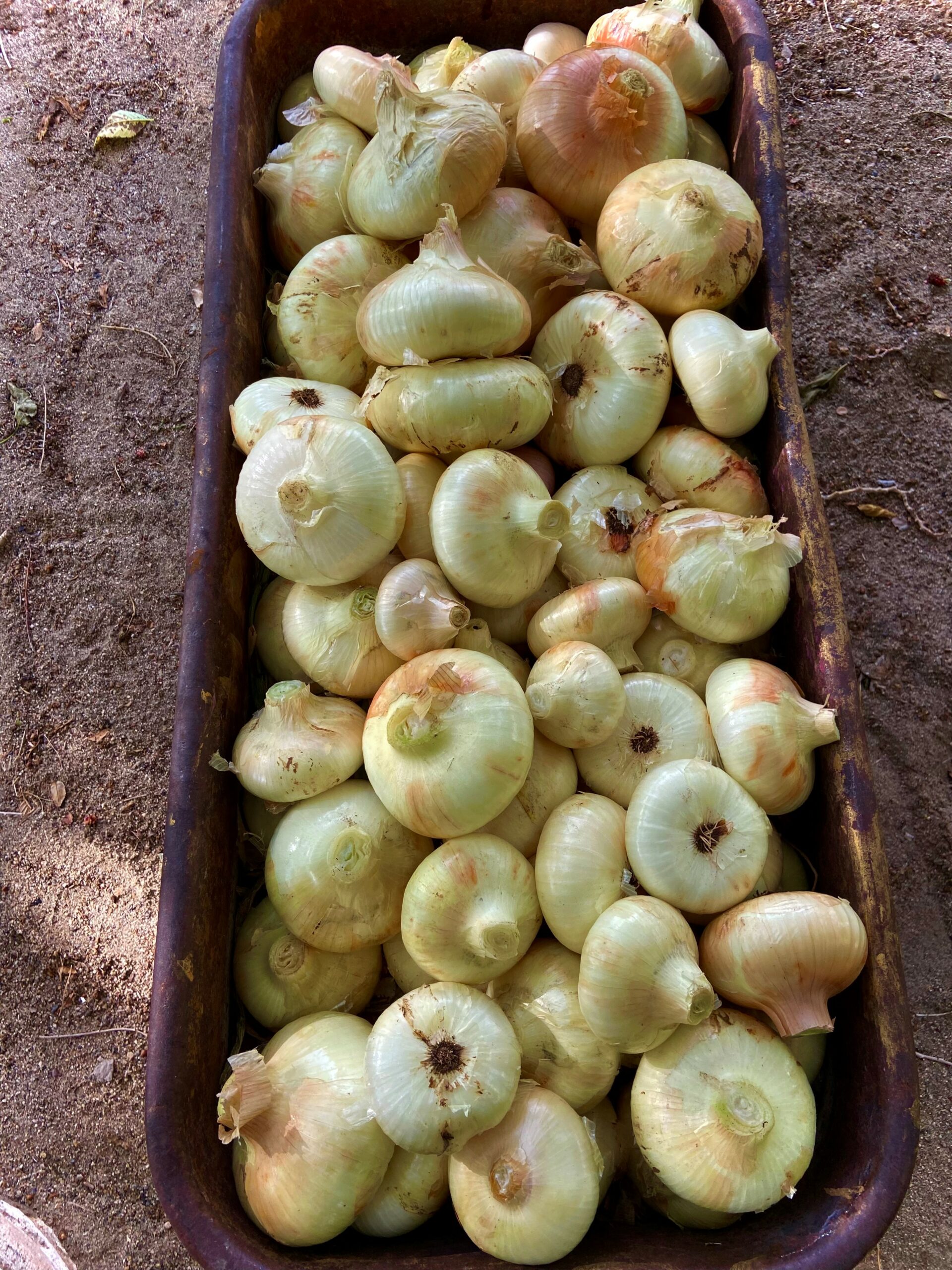
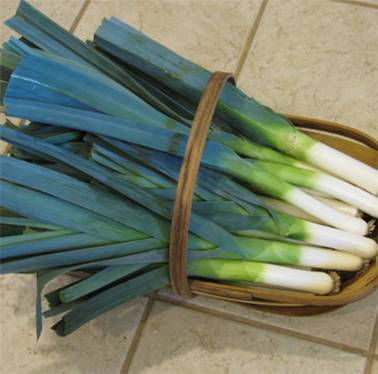
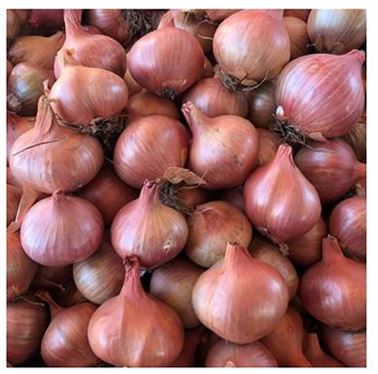
Superior Quality Leeks and Shallots
We produce top-quality onion plants, but our farm is also home to some of the best leeks and shallots on the market!
Success Kits
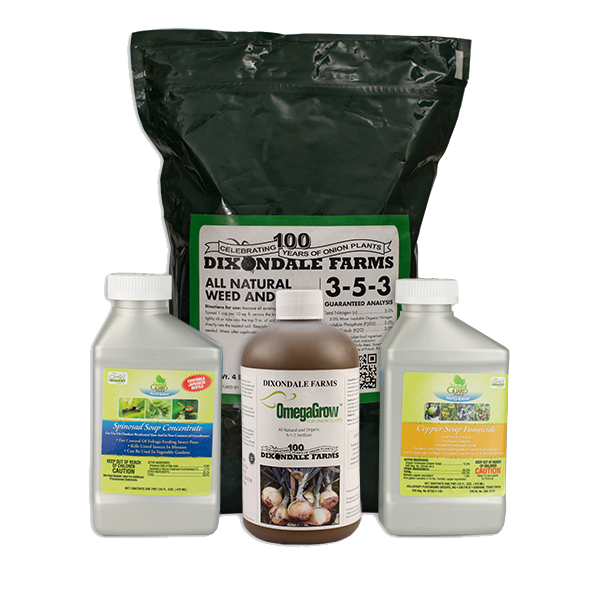
All Natural Onion Growing
Success Kit
Try our new All Natural Onion Growing Success Kit that provides all the essential products to help you grow your most successful all natural onion crop yet!
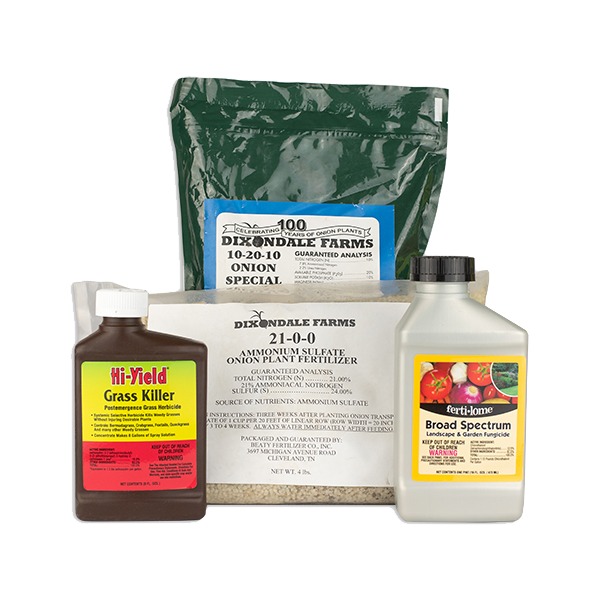
Onion Growing
Success Kit
Introducing our new Onion Growing Success Kit to help you grow your most successful onion crop ever!
What to Plant and When
We take the mystery out of growing onions.
See our Onion Growing Guide for all the tips and tricks you need for a successful planting season — no matter which part of the country you’re farming in!
If you have any questions or concerns about how and when to plant your new Dixondale Farms onion plants, don’t hesitate to contact us! Our staff is here for you!
Sign Up for Our Newsletter!
Get the latest farm updates, growing tips, and more!
Thank You for Your Support
From the bottom of our hearts, the Dixondale Farms team would like to thank each and every one of you for your continued support. It’s because of customers like you that we can continue the proud legacy of our family owned and operated farm.
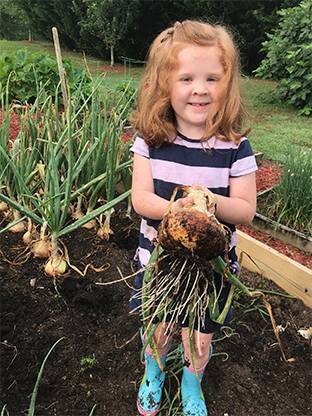
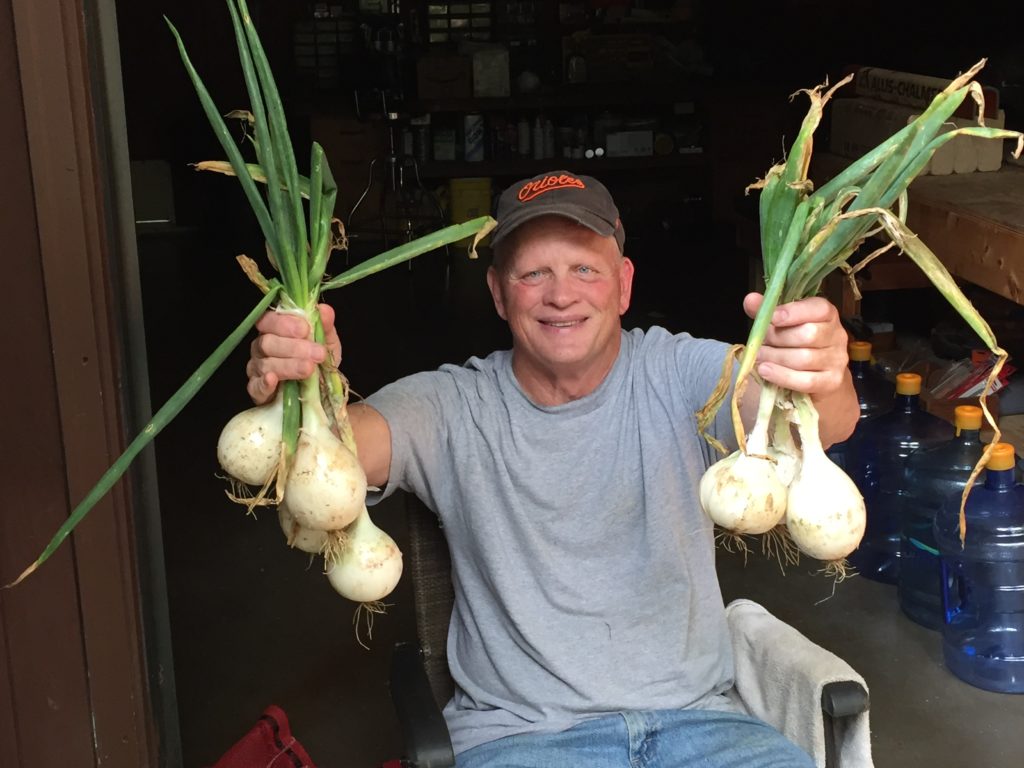
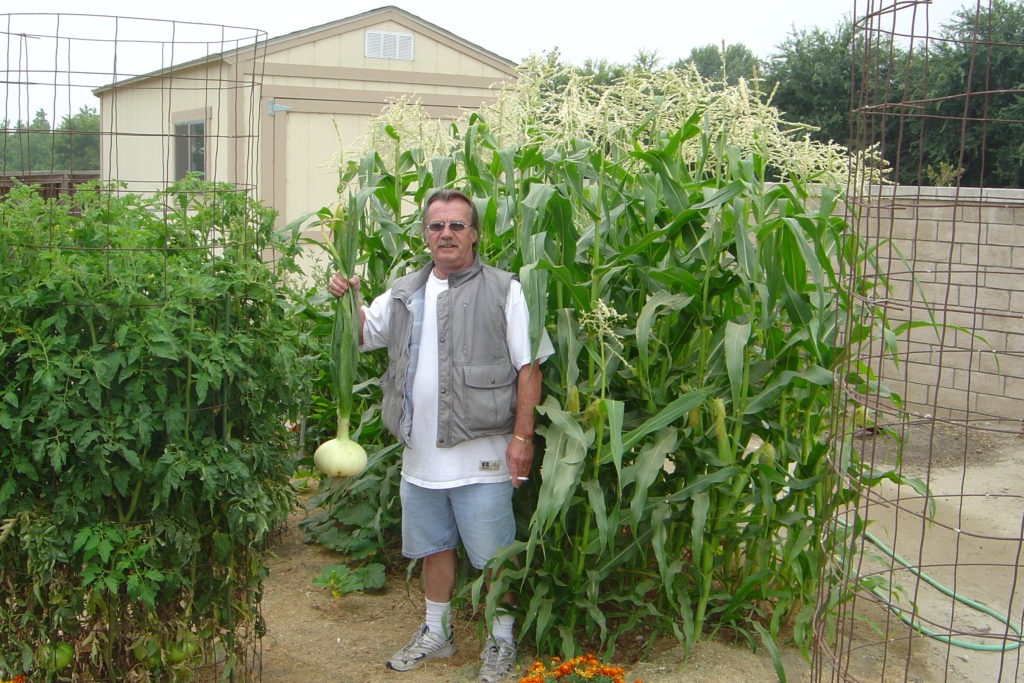


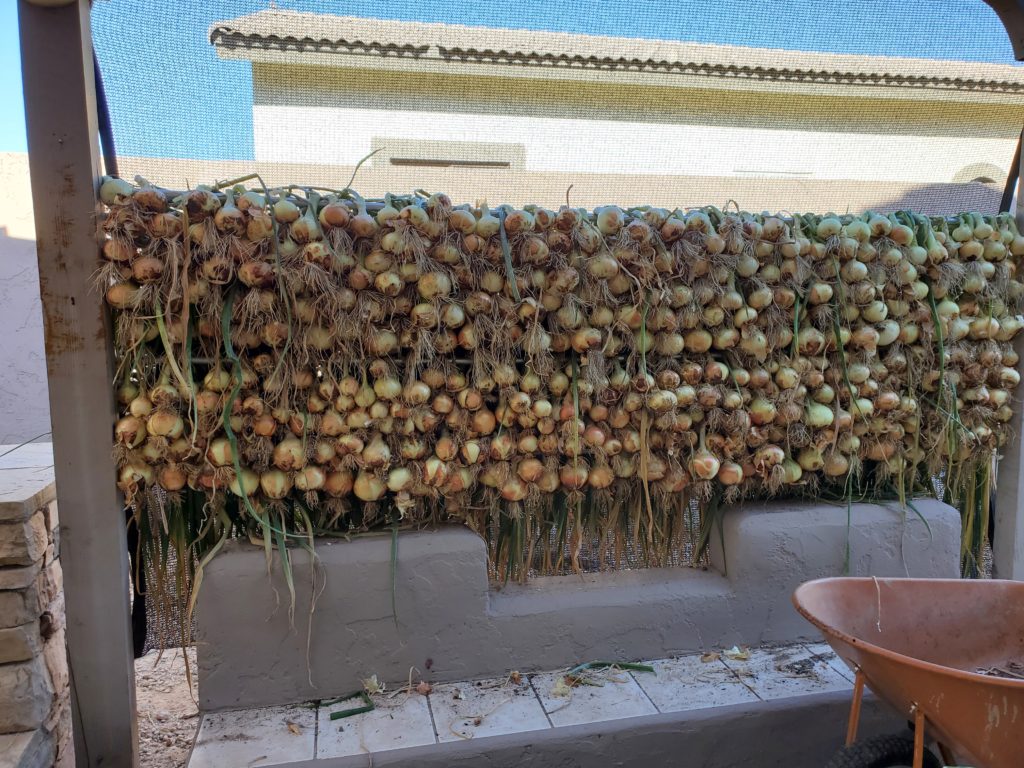
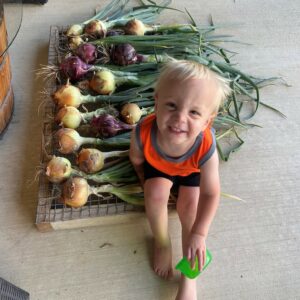
Onion Drying Methods
You have put your blood, sweat, and hopefully not too many tears into your onion crop throughout the growing season. Now it’s time to make sure you get to enjoy the fruits of your labor as long as possible. Drying your onions before putting them up for storage is crucial to their long term storage potential.
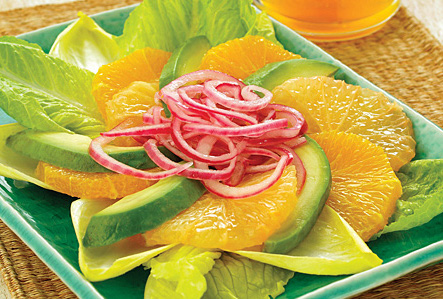
Avocado Citrus Salad with Marinated Onion
Marinated onions
-
Peel and thinly slice 1 medium red onion.
-
Combine 1/4 cup rice vinegar, 1/4 cup honey, and 1/4 cup water in jar with tight lid; shake until well blended.
-
Add onions to the jar…
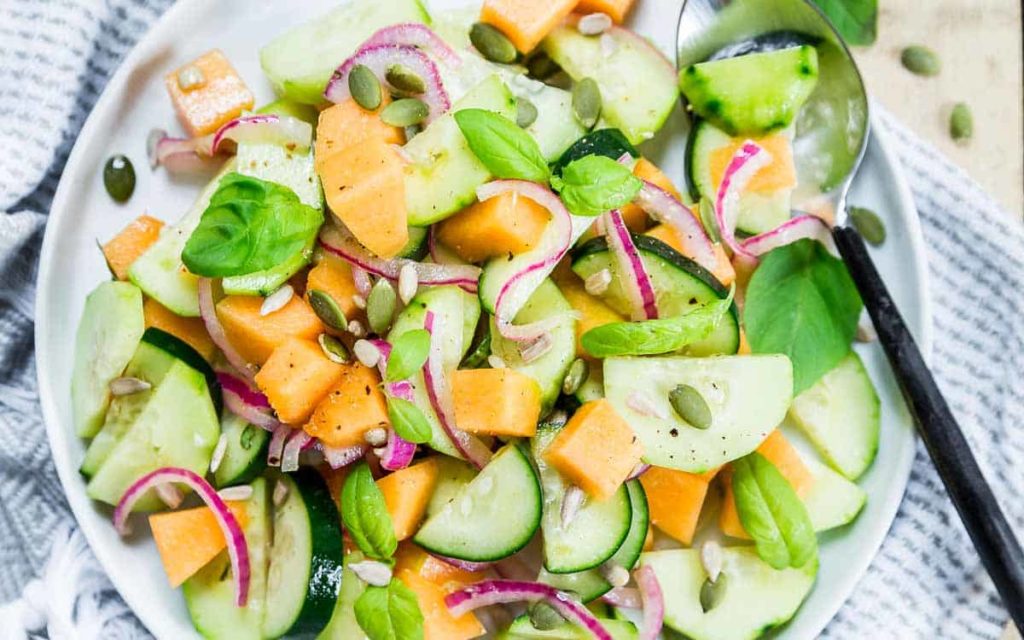
Cucumber Melon Salad
- 1 1/2 large cucumbers, peeled and sliced
- 1/2 small ripe cantaloupe (chopped)
- 1/4 cup pickled red onions (can use this recipe https://www.runningtothekitchen.com/creamy-cucumber-salad/)
- 1 tbsp pepitas
- 1 tbsp sunflower seeds
- handful fresh basil leaves (torn)
- 2 tbsp olive oil (extra virgin )
- 1 1/2 tbsp red wine vinegar
- salt and pepper…